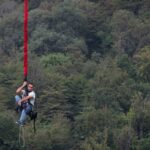
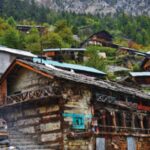
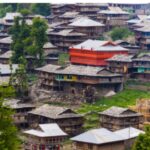
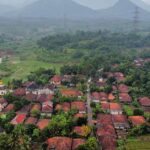
Malana Village Himachal, a hidden gem nestled in the Parvati Valley of the Himalayas. This ancient settlement, often called “Malana the Unreachable,” has been a magnet for trekkers, anthropologists, and adventure seekers for decades. But what makes Malana so special, and why should you add it to your travel bucket list?
As I stepped into Malana for the first time, I felt like I’d entered a different world. The village, perched at 9,000 feet, seemed suspended in its own universe—disconnected yet deeply connected to the mystical energy of the Himalayas. The villagers, known for their fierce independence and unique culture, greeted me with a curious mix of warmth and caution. It was clear: this wasn’t just another trekking destination; it was a journey into the heart of a living, breathing legend.
Why Visit Malana Village? The Allure of the Unreachable
Malana isn’t just a village; it’s an experience. Here’s why adventurers and culture enthusiasts flock to this remote paradise:
The Legendary Independence of Malana
Malana has a fascinating history of self-governance. Locals claim they’re descendants of Alexander the Great’s soldiers, and for centuries, they’ve maintained their autonomy despite being surrounded by larger kingdoms. This isolation has preserved their unique language (Kanashi), customs, and even their own legal system. You’ll feel like a guest in a republic that time forgot.

Breathtaking Scenery: Mountains, Forests, and Rivers
The trek to Malana is a visual feast. The trail winds through dense forests of oak and pine, alongside the Malana River, with the Chandrkhani Pass offering panoramic views of the Himalayan range. On clear days, you’ll spot Deo Tibba and Indrasan Peak towering above the clouds.
Ancient Traditions and Mystical Vibes
Malana is steeped in myths and legends. The villagers worship Jamlu Devta, their supreme deity, and believe in a blend of Hinduism and animism. Visit the Jamlu Temple, adorned with intricate wood carvings, and you’ll sense the spiritual energy that permeates this place.
Offbeat Adventure for the Brave
Malana isn’t for the faint-hearted. The trek is challenging (14 km, 6–8 hours), with steep ascents and unpredictable weather. But the reward? Solitude, serenity, and a sense of achievement that few other treks offer.
Best Places to Visit in Malana Village
Your journey in Malana is about more than just trekking; it’s about immersing yourself in its culture and natural beauty. Here are the must-visit spots:
Jamlu Devta Temple: The Heart of Malana’s Spirituality
This ancient temple is the soul of Malana. Dedicated to Jamlu Devta, the village’s protector, it’s a marvel of wooden architecture with stories etched into its walls. Don’t miss the annual Malana Festival (January/February) if you’re here—it’s a vibrant celebration of music, dance, and rituals.
Malana Hydro Project: Engineering Amidst Nature
A stark contrast to the village’s ancient charm, the Malana Hydroelectric Project is a modern marvel. This second-largest hydroelectric dam in India is a feat of engineering, yet it blends surprisingly well with the landscape. Take a guided tour to learn about its impact on the region.
Chalal Village: The Gateway to Malana
Before reaching Malana, you’ll pass through Chalal, a quaint village with rustic cafes and homestays. It’s the perfect spot to acclimatize and enjoy local delicacies like siddu (steamed bread) and local thukpa.
Jutogh Peak: Sunrise Views Like No Other
For trekking enthusiasts, Jutogh Peak offers breathtaking sunrises. The 360-degree view includes Deo Tibba, Indrasan, and the Parvati Valley. It’s a must-hike for the perfect Malana experience.
Pro Travel Tips: Don’t Make These Mistakes
Having visited Malana twice, I’ve learned a few lessons the hard way. Save yourself the trouble with these expert tips:
- Start Early: The trek is long, and weather changes fast. Begin by 7 AM.
- Pack Smart: Carry waterproof gear, warm clothes, and energy bars. Trust me, you’ll need them.
- Respect Local Customs: Malana is sensitive about photography. Always ask permission before snapping pics of people or temples.
- Stay Hydrated: Altitude sickness is real. Drink coconut water or herbal teas to stay hydrated.
- Choose Reputable Guides: Local guides know the terrain and culture. Hire one from Bhuntar or Kasol.
Local Insights: Stories from the Heart of Malana
I remember sitting by the fire in a Malana homestay, listening to stories of Jamlu Devta’s miracles from a village elder. His eyes sparkled as he spoke of hidden treasures in the mountains and ancient curses that protected the village. It was clear: Malana wasn’t just a place—it was a living legend.
One evening, while exploring the village, I stumbled upon a group of locals weaving woolen shawls. They shared their secret techniques, passed down through generations. I left with a handmade Malana shawl, now a cherished souvenir.
FAQs
Q1: How difficult is the trek to Malana Village?
A: The trek is moderate to challenging (14 km, 6–8 hours). Steep ascents and unpredictable weather add to the difficulty. Start early and stay hydrated.
Q2: What is the best time to visit Malana?
A: June to October for pleasant weather. December to February for snow-covered landscapes (but check road conditions).
Q3: Can I stay in Malana Village?
A: Yes! Malana has homestays and guesthouses. Book in advance, especially during peak season.
Q4: Is Malana safe for solo female travelers?
A: Absolutely. Malana is welcoming and respectful. Just follow local dress codes and cultural norms.
Q5: What should I pack for Malana?
A: Trekking shoes, warm layers, waterproof jacket, reusable water bottle, and energy snacks.
Conclusion
Malana Village Himachal isn’t just a trek—it’s a spiritual, cultural, and adventure experience rolled into one. It’s for those who crave solitude, stunning landscapes, and a glimpse of ancient traditions. As you plan your next Himalayan escapade, remember: Malana awaits, but only for the curious and brave.